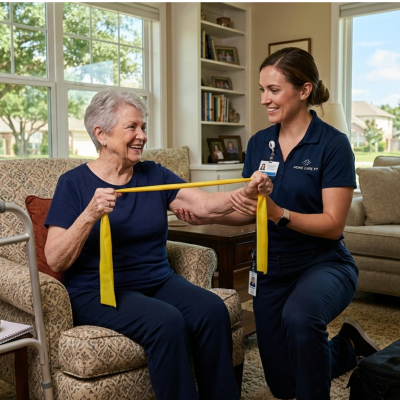
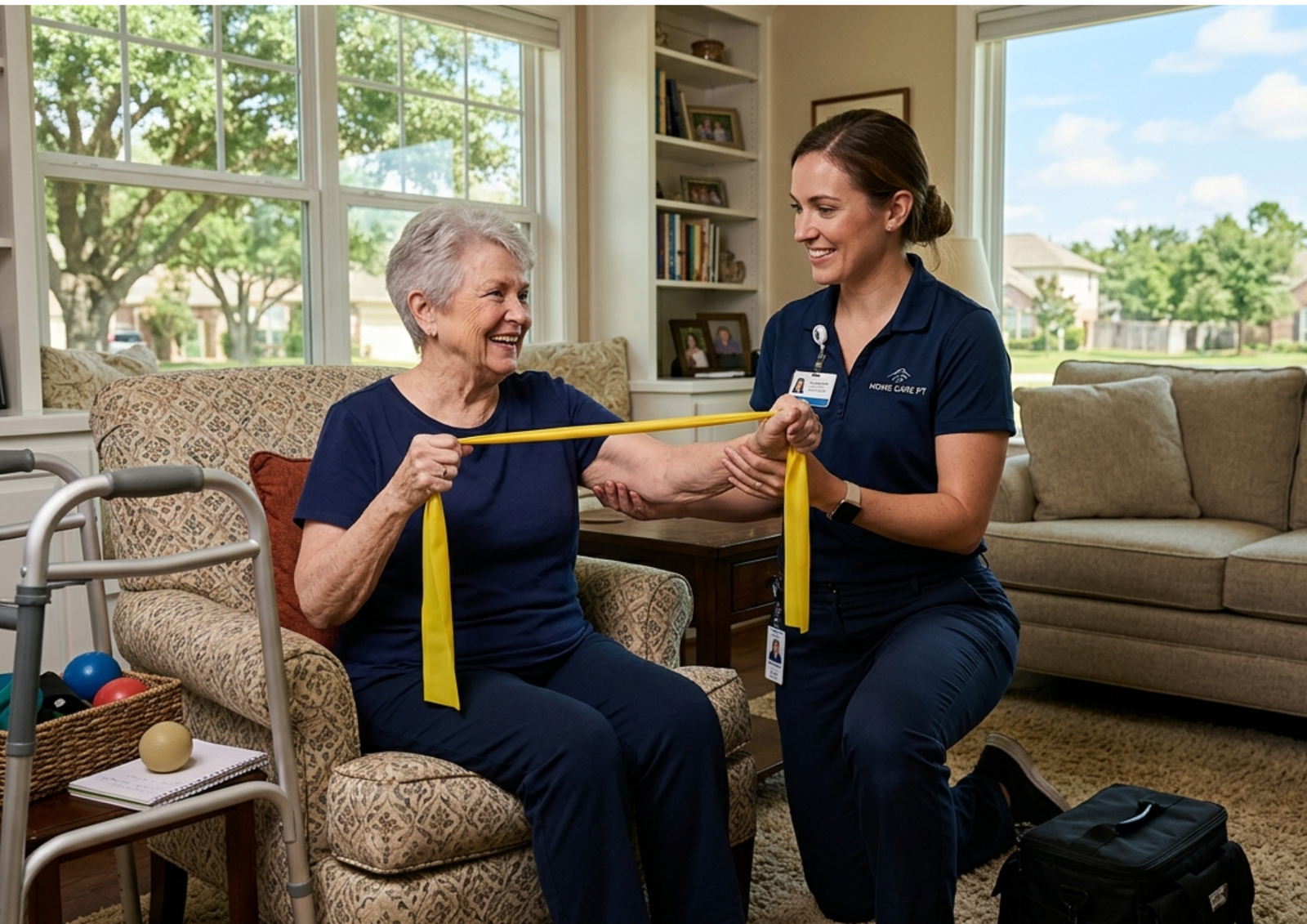
Recovering from surgery, an injury, or a serious illness can make traveling to a therapy clinic difficult. Even a short drive can be painful or stressful for someone with limited mobility. Fortunately, physical therapy at home in Katy, Texas offers a convenient and effective solution. Instead of visiting a rehabilitation center several times a week, patients can receive professional therapy in the comfort of their own homes.
Home physical therapy is designed to help people regain strength, improve balance, reduce pain, and restore independence while remaining in a familiar environment. It allows licensed physical therapists to create personalized treatment plans that focus on each patient’s specific health needs and daily activities.
Whether you are recovering after surgery, healing from an injury, managing a chronic condition, or helping an aging loved one remain independent, in-home physical therapy can play an important role in improving quality of life. This guide explains everything families need to know about physical therapy at home in Katy, Texas, including its benefits, conditions it treats, what to expect during visits, and how to choose the right provider.
What Is Physical Therapy at Home?
Physical therapy at home is a healthcare service where a licensed physical therapist visits the patient’s home to provide rehabilitation and mobility training. Instead of traveling to a clinic, the therapist brings professional care directly to the patient.
The purpose of home physical therapy is to help individuals recover from illness, surgery, or injury while improving movement, flexibility, balance, strength, and overall physical function.
Every treatment plan is personalized according to the patient’s condition, recovery goals, and physician’s recommendations. Therapy sessions often include exercises, walking practice, balance training, pain management techniques, and education for both patients and caregivers.
Receiving therapy in a familiar environment allows patients to practice everyday movements in the places where they actually live, making rehabilitation more practical and effective.
Who Can Benefit from Physical Therapy at Home?
Many people can benefit from receiving therapy in their own homes.
Home physical therapy is often recommended for:
- Seniors experiencing reduced mobility
- Patients recovering after joint replacement surgery
- Individuals recovering from a stroke
- People recovering from fractures or injuries
- Patients with Parkinson’s disease
- Individuals living with arthritis
- Patients with multiple sclerosis
- People managing chronic pain
- Patients recovering after hospitalization
- Individuals who have difficulty traveling to outpatient therapy centers
Families throughout Katy, Cinco Ranch, Fulshear, Richmond, Sugar Land, Cypress, Brookshire, and the Greater Houston area increasingly choose home therapy because it combines convenience with high-quality rehabilitation.
Conditions Treated with Home Physical Therapy
Physical therapists help patients recover from a wide variety of medical conditions.
Post-Surgical Recovery
Many patients require physical therapy after surgery to regain movement and strength.
Common surgeries include:
- Knee replacement
- Hip replacement
- Shoulder surgery
- Back surgery
- Foot and ankle surgery
Home therapy helps patients safely rebuild mobility while reducing the risk of complications.
Stroke Rehabilitation
A stroke often affects movement, balance, coordination, and muscle strength.
Physical therapists work closely with stroke survivors to improve walking, increase independence, strengthen weakened muscles, and reduce the risk of falls.
Early rehabilitation often leads to better long-term recovery.
Arthritis
Arthritis can make everyday activities painful.
Physical therapy helps reduce joint stiffness, strengthen supporting muscles, improve flexibility, and make daily movement easier without placing unnecessary stress on affected joints.
Parkinson’s Disease
Patients living with Parkinson’s disease may experience slower movements, balance problems, and muscle stiffness.
Home physical therapy focuses on improving posture, walking ability, coordination, and confidence while reducing fall risks.
Fall Prevention
Falls are one of the leading causes of injuries among older adults.
Physical therapists evaluate the patient’s home environment and recommend exercises, balance training, and safety improvements that help prevent future falls.
Chronic Pain
Home therapy can help manage chronic pain caused by:
- Arthritis
- Back pain
- Neck pain
- Muscle weakness
- Previous injuries
Exercise, stretching, strengthening, and movement training often reduce discomfort without relying solely on medication.
Benefits of Physical Therapy at Home
Receiving therapy at home provides many advantages over visiting an outpatient clinic.
Greater Comfort
Patients recover in familiar surroundings where they feel relaxed and confident.
Being at home often reduces anxiety and encourages greater participation during therapy sessions.
Personalized Treatment
Each therapy plan is designed specifically for the patient’s medical condition, abilities, and recovery goals.
Therapists adjust exercises as progress improves.
Improved Safety
Therapists observe how patients move around their actual homes.
This allows them to identify safety concerns such as slippery floors, uneven surfaces, poor lighting, or furniture placement that may increase fall risks.
Practical recommendations help create a safer living environment.
Increased Independence
The primary goal of physical therapy is helping patients regain the ability to perform everyday activities independently.
Patients practice walking, climbing stairs, getting in and out of bed, standing from chairs, and safely moving throughout their homes.
Better Recovery Outcomes
Patients often recover more comfortably because therapy focuses on real-life daily activities rather than exercises performed only in a clinical setting.
Reduced Travel Stress
For patients experiencing pain, weakness, or limited mobility, traveling to appointments may become exhausting.
Home therapy removes transportation challenges while ensuring patients continue receiving consistent rehabilitation.
What Happens During a Home Physical Therapy Visit?
Many families wonder what to expect during the first appointment.
A typical visit includes:
Initial Assessment
The therapist reviews:
- Medical history
- Current condition
- Pain levels
- Balance
- Muscle strength
- Walking ability
- Daily activities
- Home safety
Personalized Treatment Plan
Based on the assessment, the therapist develops a care plan that outlines:
- Recovery goals
- Exercise routines
- Visit schedule
- Safety recommendations
- Expected progress
Therapy Exercises
Sessions may include:
- Stretching
- Strength training
- Walking exercises
- Balance training
- Range-of-motion exercises
- Transfer training
- Stair practice
- Endurance activities
Exercises become more challenging as the patient improves.
Education
Therapists also teach patients and caregivers how to:
- Perform exercises safely
- Prevent falls
- Use mobility devices correctly
- Improve posture
- Continue therapy between visits
Education plays a major role in long-term success.
Home Physical Therapy vs. Outpatient Physical Therapy
Both options provide valuable rehabilitation, but home therapy offers unique benefits for patients with limited mobility.
| Home Physical Therapy | Outpatient Physical Therapy |
|---|---|
| Care provided at home | Patient travels to clinic |
| Personalized home environment | Clinical treatment setting |
| No transportation required | Requires regular travel |
| Focus on daily living activities | Focus on clinic exercises |
| Ideal for homebound patients | Better for highly mobile patients |
The right option depends on each patient’s condition, mobility level, and physician’s recommendations.
Does Medicare Cover Physical Therapy at Home?
Many patients qualify for Medicare-covered home physical therapy if certain requirements are met.
Generally, patients must:
- Be under a physician’s care.
- Require medically necessary skilled therapy.
- Meet Medicare eligibility requirements.
- Receive services through a Medicare-certified home health agency.
Private insurance and Medicaid may also provide coverage depending on individual policies.
Families should verify benefits before beginning treatment.
Tips for Faster Recovery at Home
Patients can improve rehabilitation by following healthy habits between therapy sessions.
Helpful tips include:
- Complete home exercises every day.
- Stay active within recommended limits.
- Eat nutritious meals.
- Drink enough water.
- Wear supportive footwear.
- Remove tripping hazards.
- Attend every scheduled therapy visit.
- Report pain or concerns immediately.
- Follow physician instructions carefully.
Small daily improvements often lead to significant long-term results.
Choosing the Right Physical Therapy Provider in Katy, Texas
Selecting an experienced home healthcare provider is essential for successful recovery.
Look for a provider that offers:
- Licensed physical therapists
- Personalized treatment plans
- Compassionate patient care
- Physician-directed rehabilitation
- Flexible scheduling
- Clear communication with families
- Experience treating various medical conditions
- Comprehensive home healthcare services
Working with a trusted local provider ensures patients receive coordinated care that supports faster recovery and greater independence.
Why Families Choose KeDani Health
At KeDani Health, we believe recovery is most successful when patients receive compassionate care in the comfort of their own homes.
Our experienced physical therapists work closely with physicians, patients, and families to develop individualized rehabilitation plans that focus on restoring strength, improving balance, increasing mobility, and helping patients regain confidence in their daily lives.
Whether recovering after surgery, healing from an injury, managing a neurological condition, or improving overall mobility, our team is committed to delivering professional, personalized care throughout Katy and the Greater Houston area.
Frequently Asked Questions
How long does home physical therapy last?
The length of treatment depends on the patient’s condition, recovery goals, physician recommendations, and overall progress. Some patients need therapy for only a few weeks, while others benefit from longer rehabilitation programs.
Is home physical therapy as effective as clinic therapy?
Yes. For many patients, especially those with limited mobility or recovering after surgery, receiving therapy at home can be just as effective because exercises are tailored to their everyday environment.
Do I need a doctor’s referral?
In many cases, a physician’s referral is required, particularly when services are covered by Medicare or insurance.
Can physical therapy help prevent falls?
Yes. Physical therapists improve balance, strengthen muscles, evaluate home safety, and teach safe movement techniques that significantly reduce fall risks.
What should I wear during therapy sessions?
Comfortable clothing that allows easy movement and supportive shoes are recommended for most therapy appointments.
Final Thoughts
Physical therapy at home in Katy, Texas, offers a convenient and highly effective way to recover from surgery, injuries, neurological conditions, and chronic illnesses without the stress of traveling to a rehabilitation clinic. By bringing skilled therapy directly into the home, patients receive personalized treatment that focuses on improving mobility, restoring strength, reducing pain, and increasing independence in the place where they live every day.
For many families, home physical therapy provides peace of mind, knowing their loved one is receiving expert rehabilitation while remaining safe and comfortable at home. Combined with compassionate care, regular progress monitoring, and physician-directed treatment, in-home therapy can significantly improve recovery outcomes and overall quality of life.
If you or a loved one is looking for physical therapy at home in Katy, Texas, KeDani Health is here to help. Our dedicated team provides personalized rehabilitation services designed to help patients regain mobility, build confidence, and live healthier, more independent lives. Contact us today to learn more about our home healthcare services or schedule an in-home assessment.