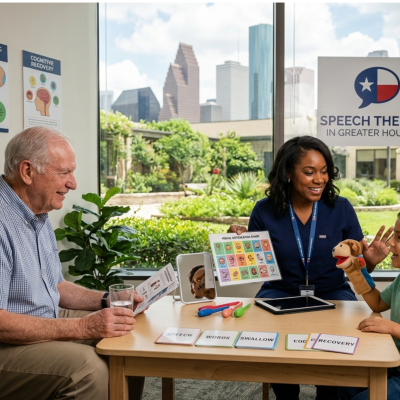
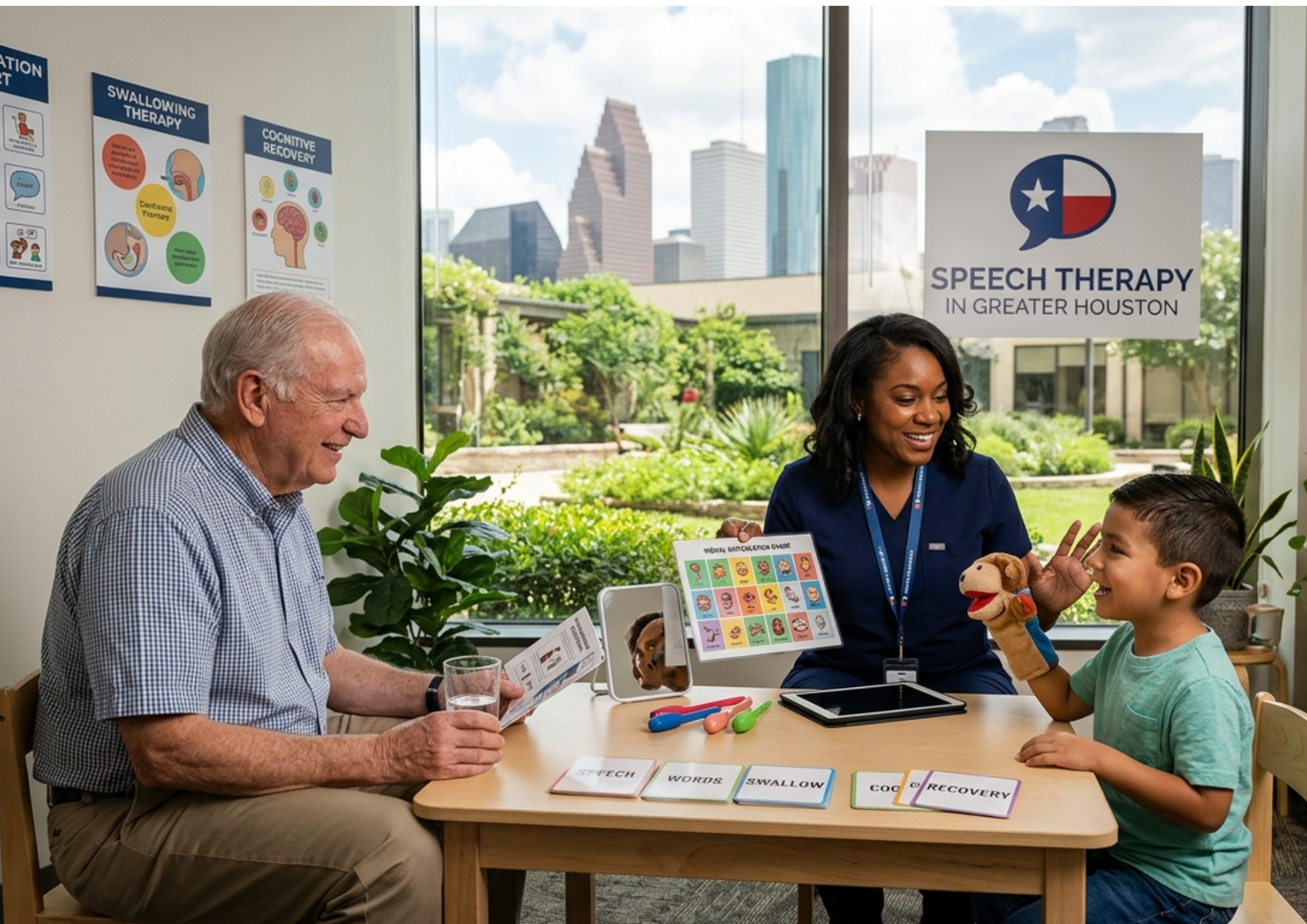
Communication is one of the most important parts of everyday life. It allows us to express our thoughts, share our feelings, ask for help, and stay connected with family and friends. Swallowing is another essential function that many people take for granted until it becomes difficult. For individuals recovering from a stroke, brain injury, neurological condition, or other medical challenges, speaking, understanding language, remembering information, or swallowing safely can become difficult.
Fortunately, speech therapy in Greater Houston provides professional support that helps people improve their communication skills, swallowing abilities, and cognitive function. Whether the goal is to recover after surgery, regain speech following a stroke, manage a neurological disorder, or improve memory and problem-solving skills, speech therapy can significantly improve a person’s quality of life.
Speech-language pathologists, commonly known as speech therapists, work with patients of all ages to develop personalized treatment plans based on their individual needs. These therapy sessions help patients communicate more effectively, eat and drink safely, improve thinking skills, and become more independent in their daily lives.
This guide explains everything families need to know about speech therapy in Greater Houston, including who can benefit, conditions treated, available services, therapy techniques, and how professional speech therapy supports long-term recovery.
What Is Speech Therapy?
Speech therapy is a specialized healthcare service that focuses on evaluating, diagnosing, and treating communication disorders, swallowing difficulties, and cognitive impairments. It is provided by licensed speech-language pathologists who have specialized education and clinical training in helping patients improve speech, language, voice, memory, and swallowing abilities.
Speech therapy is much more than helping someone pronounce words correctly. It also helps people understand language, express thoughts clearly, improve memory, strengthen problem-solving skills, and safely swallow food and liquids.
Every patient receives a personalized treatment plan based on their medical condition, physician recommendations, and recovery goals.
Who Can Benefit from Speech Therapy?
Speech therapy is beneficial for people of all ages, from young children to older adults.
Patients who may benefit include:
- Stroke survivors
- Seniors experiencing memory loss
- Individuals with Parkinson’s disease
- Patients with Alzheimer’s disease or dementia
- People recovering from traumatic brain injuries
- Individuals with multiple sclerosis
- Patients with swallowing disorders
- Adults recovering after surgery
- Individuals experiencing communication difficulties
- People with neurological conditions affecting speech or thinking
Families throughout Greater Houston, including Katy, Sugar Land, Richmond, Cypress, Fulshear, Brookshire, and surrounding communities, often choose speech therapy to help loved ones regain confidence and improve their daily lives.
What Does a Speech Therapist Do?
Speech-language pathologists provide comprehensive evaluations to understand each patient’s specific challenges.
Based on the assessment, they develop a personalized treatment program that may include:
- Speech improvement exercises
- Language development
- Swallowing therapy
- Memory training
- Cognitive rehabilitation
- Voice therapy
- Communication strategies
- Family education
- Home exercise programs
The therapist regularly monitors progress and adjusts treatment as the patient’s condition improves.
Communication Disorders Treated with Speech Therapy
Many medical conditions affect a person’s ability to communicate effectively.
Speech Disorders
Speech disorders make it difficult to produce sounds correctly.
Patients may experience:
- Slurred speech
- Difficulty pronouncing words
- Weak speech muscles
- Slow speech
- Limited speech clarity
Therapists use specialized exercises to strengthen muscles involved in speaking and improve pronunciation.
Language Disorders
Language disorders affect a person’s ability to understand or express thoughts.
Patients may have difficulty:
- Finding the right words
- Following conversations
- Reading
- Writing
- Understanding instructions
Speech therapy helps rebuild these communication skills through structured practice and personalized activities.
Voice Disorders
Voice disorders affect the quality, strength, or pitch of a person’s voice.
Speech therapists help improve:
- Hoarseness
- Weak voice
- Vocal strain
- Breathing during speech
- Voice control
Improving vocal function allows patients to communicate more comfortably and confidently.
Swallowing Disorders (Dysphagia)
Swallowing problems are common after strokes, neurological diseases, surgery, or other medical conditions.
Signs of swallowing difficulties include:
- Coughing while eating
- Choking on food or liquids
- Food sticking in the throat
- Pain during swallowing
- Frequent chest infections
- Weight loss due to eating difficulties
Speech-language pathologists evaluate swallowing function and recommend exercises, techniques, and diet modifications that make eating safer.
Proper swallowing therapy helps reduce the risk of choking, dehydration, and aspiration pneumonia.
Cognitive Therapy and Memory Support
Speech therapists also help patients experiencing cognitive challenges.
Cognitive therapy focuses on improving:
- Memory
- Attention
- Concentration
- Problem-solving
- Organization
- Decision-making
- Planning
- Safety awareness
These skills are essential for independent living and daily activities.
Patients recovering from strokes, traumatic brain injuries, or neurological disorders often benefit significantly from cognitive rehabilitation.
Conditions Commonly Treated
Speech therapy supports recovery from many health conditions.
Stroke Recovery
Many stroke survivors experience difficulty speaking, understanding language, or swallowing.
Speech therapy helps patients:
- Regain speech
- Improve communication
- Strengthen swallowing muscles
- Improve memory
- Increase independence
Early therapy often leads to better recovery outcomes.
Parkinson’s Disease
Parkinson’s disease may cause:
- Soft voice
- Slurred speech
- Difficulty swallowing
- Reduced facial expression
Speech therapy strengthens communication skills while improving swallowing safety.
Dementia and Alzheimer’s Disease
Although these conditions are progressive, speech therapy helps patients maintain communication abilities for as long as possible.
Therapists also teach caregivers techniques that improve communication and reduce frustration.
Traumatic Brain Injury
Brain injuries often affect memory, thinking, concentration, and communication.
Speech therapists develop structured programs that help patients rebuild these important skills over time.
Benefits of Speech Therapy
Professional speech therapy offers many important benefits.
Improved Communication
Patients become better able to express their thoughts, ask questions, and participate in conversations.
Better communication improves relationships with family, friends, and caregivers.
Safer Swallowing
Therapy reduces the risk of choking and aspiration while making meals safer and more enjoyable.
Better Memory and Thinking Skills
Cognitive exercises improve concentration, memory, organization, and problem-solving abilities.
These improvements help patients perform daily tasks more independently.
Increased Confidence
Communication challenges often lead to frustration and isolation.
As patients improve, they gain confidence and become more comfortable participating in social activities.
Greater Independence
Speech therapy helps patients perform everyday activities with less assistance from caregivers.
Improved communication also allows patients to express their needs more clearly.
What Happens During a Speech Therapy Evaluation?
The first appointment usually includes a comprehensive assessment.
The therapist evaluates:
- Speech clarity
- Language skills
- Voice quality
- Swallowing ability
- Memory
- Attention
- Problem-solving
- Cognitive function
- Medical history
- Recovery goals
Following the evaluation, the therapist develops a customized treatment plan.
Speech Therapy at Home
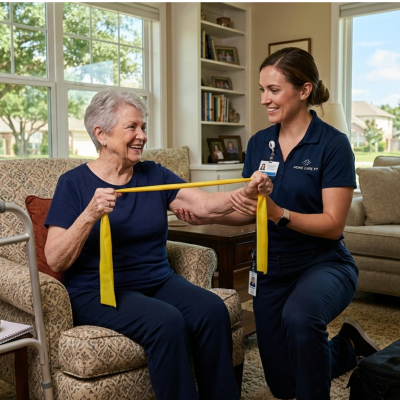
Many patients benefit from receiving speech therapy in their own homes.
Home therapy provides several advantages.
Patients feel more relaxed in familiar surroundings.
Therapists can evaluate communication during everyday activities.
Family members participate more actively in therapy sessions.
Patients avoid transportation difficulties.
Exercises become more meaningful because they relate directly to the patient’s daily routine.
Home-based therapy is especially helpful for seniors and patients recovering after hospitalization.
Family Involvement Is Important
Successful recovery depends not only on professional therapy but also on family support.
Caregivers can help by:
- Practicing communication exercises
- Encouraging conversation
- Following swallowing recommendations
- Supporting home exercises
- Being patient during communication
- Celebrating progress
Consistent practice outside therapy sessions often leads to faster improvement.
Does Insurance Cover Speech Therapy?
Many insurance plans provide coverage for medically necessary speech therapy.
Patients may also qualify for Medicare-covered speech therapy when services are prescribed by a physician and provided through a qualified home health agency.
Coverage varies depending on the patient’s insurance plan and medical condition.
Families should verify benefits before beginning treatment.
Choosing the Right Speech Therapy Provider in Greater Houston
Selecting an experienced provider is one of the most important decisions families can make.
Look for providers that offer:
- Licensed speech-language pathologists
- Personalized treatment plans
- Experience treating neurological conditions
- Home-based therapy options
- Family education
- Physician coordination
- Compassionate care
- Regular progress evaluations
Working with an experienced home healthcare team ensures patients receive coordinated care that supports long-term recovery.
Why Choose KeDani Health?
At KeDani Health, we understand that communication is essential to living an independent and fulfilling life. Our experienced speech-language pathologists provide compassionate, personalized care that helps patients improve speech, swallowing, memory, and cognitive abilities in the comfort of their own homes.
We work closely with physicians, patients, and families to develop individualized therapy plans that focus on meaningful progress and improved quality of life. Whether recovering from a stroke, managing Parkinson’s disease, living with dementia, or overcoming swallowing difficulties, our team is committed to helping every patient achieve the highest possible level of independence.
Serving Katy and the Greater Houston area, KeDani Health is dedicated to delivering professional home healthcare with dignity, respect, and compassion.
Frequently Asked Questions
How long does speech therapy take?
Treatment varies depending on the patient’s condition, severity of symptoms, and recovery goals. Some patients improve within weeks, while others benefit from ongoing therapy over several months.
Can speech therapy help after a stroke?
Yes. Speech therapy is one of the most effective treatments for improving communication, swallowing, and cognitive function after a stroke.
Can seniors benefit from speech therapy?
Absolutely. Many seniors receive speech therapy for swallowing disorders, memory challenges, neurological conditions, and communication difficulties.
Is speech therapy only for speaking problems?
No. Speech therapists also treat swallowing disorders, memory loss, cognitive impairment, voice disorders, and language difficulties.
Can therapy be provided at home?
Yes. Home-based speech therapy allows patients to receive professional care without leaving home while making rehabilitation more comfortable and convenient.
Final Thoughts
Speech therapy plays an essential role in helping individuals overcome communication difficulties, swallowing disorders, and cognitive challenges caused by illness, injury, or neurological conditions. With personalized treatment plans, professional guidance, and family involvement, patients can improve their ability to communicate, eat safely, strengthen memory, and regain confidence in everyday life.
Receiving speech therapy at home offers additional comfort and convenience while allowing therapists to provide care in the environment where patients spend most of their time. This personalized approach supports better recovery, greater independence, and an improved quality of life.
If you or a loved one is looking for speech therapy in Greater Houston, KeDani Health is here to help. Our compassionate team is committed to providing expert communication, swallowing, and cognitive support that empowers patients to achieve their recovery goals and live more independently.